


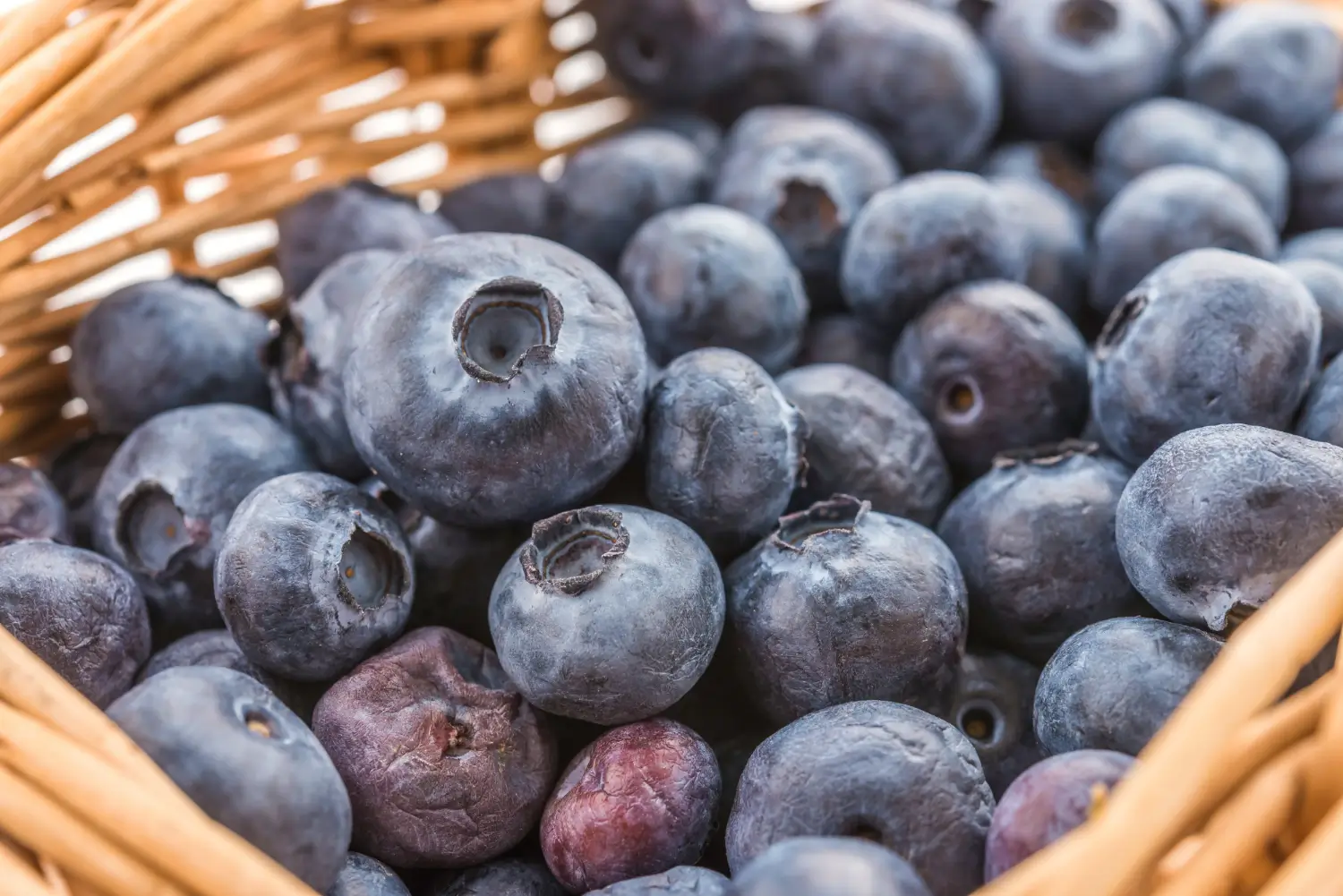
Blueberry cultivation in Colombia is constantly growing and evolving. What once depended mainly on the farmer’s experience and natural conditions is now supported by technological tools that allow for much more precise decision-making.
In a landscape where efficiency, sustainability, and profitability are becoming increasingly important, precision agriculture has become a key ally. Rather than replacing traditional knowledge, this production model strengthens it through data, constant monitoring, and real-time control of variables.
In the case of blueberries, a demanding crop highly sensitive to environmental changes, the integration of technology makes a significant difference. From irrigation management to the early detection of pests, every detail can be optimized when accurate information is available.
In Colombia, this transformation is already underway.
More structured agricultural projects are integrating these tools to improve their processes, and this is where models like Morao begin to stand out, combining favorable natural conditions with a technological and strategic approach.
Throughout this article, you will discover how precision agriculture is changing the way blueberries are cultivated in the country and why it is becoming a key factor in the future of the sector.
What is precision agriculture?
A data-driven and controlled approach
Precision agriculture involves using technology to monitor, analyze, and manage crops more efficiently. Instead of applying resources uniformly, it relies on specific information from each area of the crop.
This makes it possible to make better decisions regarding irrigation, fertilization, pest control, and soil management. In the case of blueberries, where every variable directly influences fruit quality, this approach is especially valuable.
At the same time, this model allows producers to anticipate problems before they become critical. For example, slight changes in soil moisture or temperature can be detected early and corrected without affecting production.
More than a trend, it represents a natural evolution of the agricultural sector toward smarter, measurable, and more sustainable models.
Differences compared to traditional agriculture
Unlike traditional methods, where many decisions are made broadly or based mainly on experience, precision agriculture relies on concrete data.
This does not mean the farmer’s knowledge becomes less important. On the contrary, it is enhanced with tools that help reduce uncertainty and improve results.
Another key difference is the ability to segment the crop. Instead of treating the entire field the same way, it becomes possible to work with specific zones, adjusting each intervention according to the actual needs of the land.
In more organized projects, this approach allows for more accurate planning, optimized resources, and greater control over every stage of the production process.
Key technologies in blueberry cultivation
Soil monitoring sensors
Sensors make it possible to measure variables such as soil moisture, temperature, and nutrient levels. This information is essential for adjusting irrigation and fertilization according to the real needs of the crop.
Thanks to these devices, excessive use of water or fertilizers can be avoided, reducing costs while protecting the soil over the long term. In projects like Morao, this type of monitoring supports decision-making based on real data instead of estimates, improving crop efficiency.
Drones for crop supervision
Drones make it easier to observe large areas in a short amount of time, offering a broader view of the crop’s condition.
With their use, it becomes possible to identify patterns that are not visible to the naked eye, such as areas with slower growth or potential disease outbreaks. This allows for targeted action before the problem spreads.
In addition, drones reduce the need for constant manual inspections, optimizing time and resources within the agricultural process.
Smart irrigation systems
Smart irrigation systems automate and control water supply with precision. This is especially important in blueberry cultivation, where water balance is essential.
These systems can be programmed according to weather conditions, soil type, and crop status, ensuring that each plant receives exactly the amount of water it needs.
Data analysis and agricultural software
All collected information is integrated into digital platforms that allow producers to visualize crop conditions in real time. This facilitates strategic decision-making by identifying trends, evaluating results, and continuously adjusting practices.
In models like Morao, data analysis is a central tool for optimizing processes and maintaining constant control over production.
Benefits of precision agriculture in blueberries
Greater efficiency in resource use
The implementation of technology allows producers to use only the necessary resources at the right time. This reduces waste and improves crop profitability.
Improved fruit quality
By better controlling environmental conditions, blueberries grow more uniformly and develop improved physical and nutritional characteristics.
Reduced risks
Constant monitoring makes it possible to detect problems early, enabling faster responses and preventing major losses.
More informed decision-making
Having accurate information allows producers to act with greater confidence, reducing improvisation and improving long-term results.
The role of technology in projects like Morao
Precision agriculture integrates technological tools into a structured model that improves crop management and performance.
In the case of Morao, technology is used as a central element to understand crop behavior and optimize every process. This includes everything from soil analysis to production planning.
Likewise, this approach generates valuable information over time, helping continuously improve the production system.
This type of integration between technology and natural conditions is what is making a difference in the development of blueberry cultivation in Colombia.
The future of blueberry cultivation in Colombia
The sector’s growth is evident, but its evolution will largely depend on the adoption of new technologies. Precision agriculture will continue gaining importance, especially in projects seeking to scale and remain competitive in the international market.
In this context, initiatives like Morao show how innovation, planning, and natural conditions can be combined to build stronger and more sustainable agricultural models.
If you are interested in understanding how these models are applied in practice, you can explore examples like Morao, where precision agriculture is integrated with the environment to create a more organized and efficient system.
What are you waiting for to discover them?
Frequently asked questions
What is precision agriculture and how does it work in blueberry cultivation?
Precision agriculture is an approach that uses technology, sensors, and data analysis to manage crops more efficiently. In the case of blueberries, it allows producers to monitor variables such as soil moisture, temperature, and nutrients, adjusting each process according to the real needs of the plant. This improves productivity and fruit quality.
What technologies are currently used in blueberry cultivation in Colombia?
In Colombia, tools such as soil sensors, drones for aerial monitoring, smart irrigation systems, and data analysis platforms are being implemented. These technologies provide greater control over the crop and optimize every stage of the production process.
Does precision agriculture really improve crop profitability?
Yes. Although it requires an initial investment, in the long term it helps reduce operational costs, optimize resource use, and improve product quality. This translates into greater profitability and competitiveness in the market.
How do projects like Morao apply precision agriculture?
Projects like Morao integrate technology throughout the entire agricultural process. They use monitoring tools, data analysis, and strategic planning to make more informed decisions, improve crop efficiency, and ensure more sustainable and organized production.