


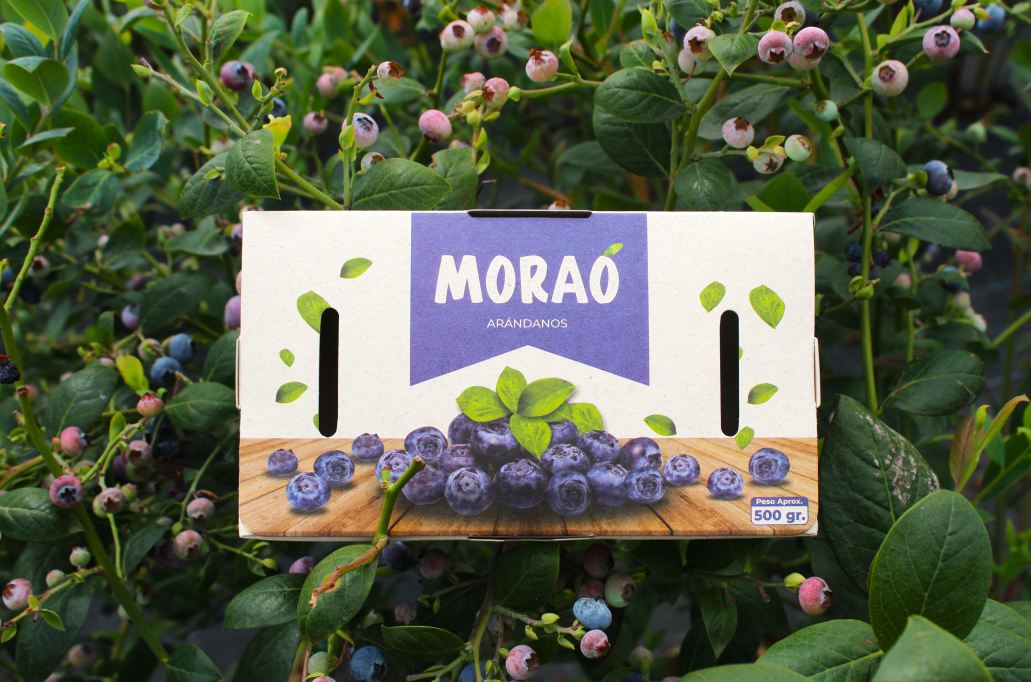
Understanding blueberry market trends is crucial as The global blueberry market is experiencing one of the most dynamic periods in its history.
Over the past few years, consumption of this fruit has grown steadily, driven by consumer interest in healthy, functional, and antioxidant-rich foods.
This trend has created new opportunities for producing countries that have the conditions needed to meet an increasingly demanding international market. In this scenario, Colombia has begun to establish itself as a country with significant potential within the global blueberry industry.
Thanks to its favorable climate conditions, diverse thermal zones, and the ability to produce throughout much of the year, the country is strategically positioned to serve markets seeking reliable suppliers capable of delivering high-quality fresh fruit.
However, growing demand also brings new challenges. International buyers are requiring increasingly high standards in terms of quality, traceability, sustainability, and certifications.
At the same time, global competition continues to strengthen as both traditional producers and emerging countries seek to expand their presence in key markets.
For Morao, understanding the trends that will shape the blueberry market in 2026 is essential for identifying growth opportunities and strengthening the competitiveness of Colombian producers.
Analyzing changes in consumer behavior, high-demand markets, and export requirements allows for more informed decision-making. Thanks to its natural advantages, Colombia has an important opportunity to strengthen its presence in the international blueberry market.
Why Is Global Demand for Blueberries Continuing to Grow?
The growth of the blueberry market is closely linked to evolving consumer trends.
More and more people are looking for foods that provide health benefits and can be easily incorporated into a balanced diet. Blueberries stand out for their content of antioxidants, vitamins, fiber, and bioactive compounds, making them one of the most highly valued fruits among consumers of all ages.
The popularity of healthy diets, functional products, and natural foods has increased their presence in supermarkets, restaurants, food industries, and distribution chains around the world.
This combination of factors has generated sustained demand that continues to create opportunities for new producers and exporters.
How Is Colombia Positioning Itself in the International Market?
Colombia has begun attracting the attention of international buyers thanks to the advantages it offers for blueberry cultivation.
Unlike countries that depend on specific growing seasons, Colombia’s climatic conditions allow harvests to be scheduled at different times of the year. This represents a significant opportunity to supply markets when other providers face production limitations.
The country’s geographic location facilitates access to various international destinations and strengthens its potential as a competitive supplier within the global supply chain. The development of specialized agricultural projects is also contributing to the growth of the sector and the expansion of Colombia’s presence in international markets.
Markets Offering the Greatest Opportunities in 2026
Demand for blueberries continues to expand across different regions of the world.
The United States remains one of the largest consumers due to the strong integration of blueberries into everyday eating habits. Europe also maintains growing demand, driven by consumers who prioritize healthy, high-quality products.
Meanwhile, several Asian markets have shown remarkable interest in blueberries in recent years. The growth of the middle class, increasing health awareness, and greater openness to imported products have contributed to rising consumption throughout the region.
This diversification of destinations provides an opportunity for Colombia to expand its international presence and reduce dependence on specific markets.
What Are International Buyers Looking For?
Quality remains one of the most important factors in the international blueberry trade.
Importers seek fruit with excellent appearance, firmness, balanced flavor, and consistency in size and color. They also value factors related to shelf life and the fruit’s ability to withstand long logistics processes.
However, buyers are increasingly paying attention to additional aspects such as sustainability, traceability, and responsible production practices.
This means that competitiveness is linked both to the quality of the final product and to every stage of the agricultural process.
Certifications That Facilitate Access to International Markets
Certifications have become a fundamental tool for companies seeking to participate in international trade. Many buyers require documentation that guarantees compliance with standards related to quality, food safety, sustainability, and social responsibility.
Holding recognized certifications helps build commercial relationships and increases the confidence of international customers. These credentials demonstrate a producer’s commitment to good agricultural practices and responsible processes.
What Are the Main Challenges of Exporting Blueberries from Colombia?
Although opportunities are significant, several challenges must also be considered.
One of the main challenges is logistics. Blueberries are delicate fruits that require appropriate transportation and storage conditions to reach destination markets in optimal condition.
Likewise, producers must adapt to the regulatory requirements of each country and maintain high-quality standards throughout the production process. International competition also remains a constant challenge, as numerous countries continue to strengthen their production and export capabilities.
Technology and Innovation: Key Factors for Competing
The adoption of new technologies is transforming the way blueberries are produced and marketed. Monitoring tools, data analysis systems, precision agriculture, and traceability processes help improve efficiency and optimize product quality.
These innovations help producers respond more effectively to market demands and build differentiated value propositions. As industry requirements continue to increase, technological adoption is becoming a strategic investment for those seeking to establish themselves in international markets.
Why Is Sustainability Becoming More Important?
Today’s consumers want to know where their food comes from.
Sustainability has become a relevant criterion for many buyers and distribution chains. Responsible practices related to efficient resource use, environmental protection, and community well-being generate additional value in the marketplace.
Producers who integrate these principles into their operations are better positioned to meet the expectations of increasingly informed and conscious customers.
The Role of Colombian Producers in the Growth of the Industry
The future of the industry depends largely on producers’ ability to adapt to new market trends. Investments in quality, innovation, and sustainability can help strengthen the sector’s competitiveness and expand export opportunities.
At the same time, collaboration among producers, institutions, and specialized projects encourages knowledge sharing and contributes to building a stronger industry that is better prepared for global challenges.
This process will help maximize the natural advantages Colombia offers for blueberry cultivation.
What Opportunities Could Shape the Blueberry Market in 2026?
The outlook for the coming years remains positive.
Growing consumption, expansion into new markets, and increasing interest in healthy foods are creating favorable conditions for industry development. The ability to produce during different times of the year represents an important competitive advantage for Colombia compared to other producing countries.
Those who successfully combine quality, efficiency, and sustainability will have greater opportunities to benefit from a constantly evolving market.
Colombia Has the Potential to Strengthen Its Global Presence
The evolution of the international market shows that blueberries will continue to play an important role in healthy consumption trends.
Thanks to its natural conditions and the development of innovative agricultural initiatives, Colombia has a valuable opportunity to position itself as a relevant supplier within the global industry.
Taking advantage of this potential requires a long-term vision focused on quality, sustainability, and continuous adaptation to market needs.
Discover How Morao Is Driving the Future of Blueberries in Colombia
At Morao we believe that the growth of the blueberry industry represents an opportunity to generate agricultural development, innovation, and sustainability. Our work seeks to leverage the advantages of Colombian territory to promote high-quality production that meets the demands of current and future markets.
If you would like to learn more about the potential of Colombian blueberries, the opportunities offered by this sector, and the initiatives contributing to its growth, we invite you to discover the Morao project and its commitment to an agriculture prepared for the challenges of tomorrow.
Frequently Asked Questions
What Are the Main Markets for Colombian Blueberry Exports?
The United States, Europe, and several Asian countries are among the markets with the greatest potential for Colombian exporters.
Why Are Blueberries in Such High Demand Internationally?
Mainly because of their nutritional benefits, antioxidant content, and the growing preference for healthy foods.
What Does a Producer Need to Export Blueberries?
Producers must meet quality, food safety, and traceability requirements and, in many cases, obtain certifications recognized by destination markets.
Does Colombia Have Advantages for Competing in the Global Blueberry Market?
Yes. Its climate conditions, geographic diversity, and ability to produce throughout much of the year provide significant advantages compared to other producing countries.