


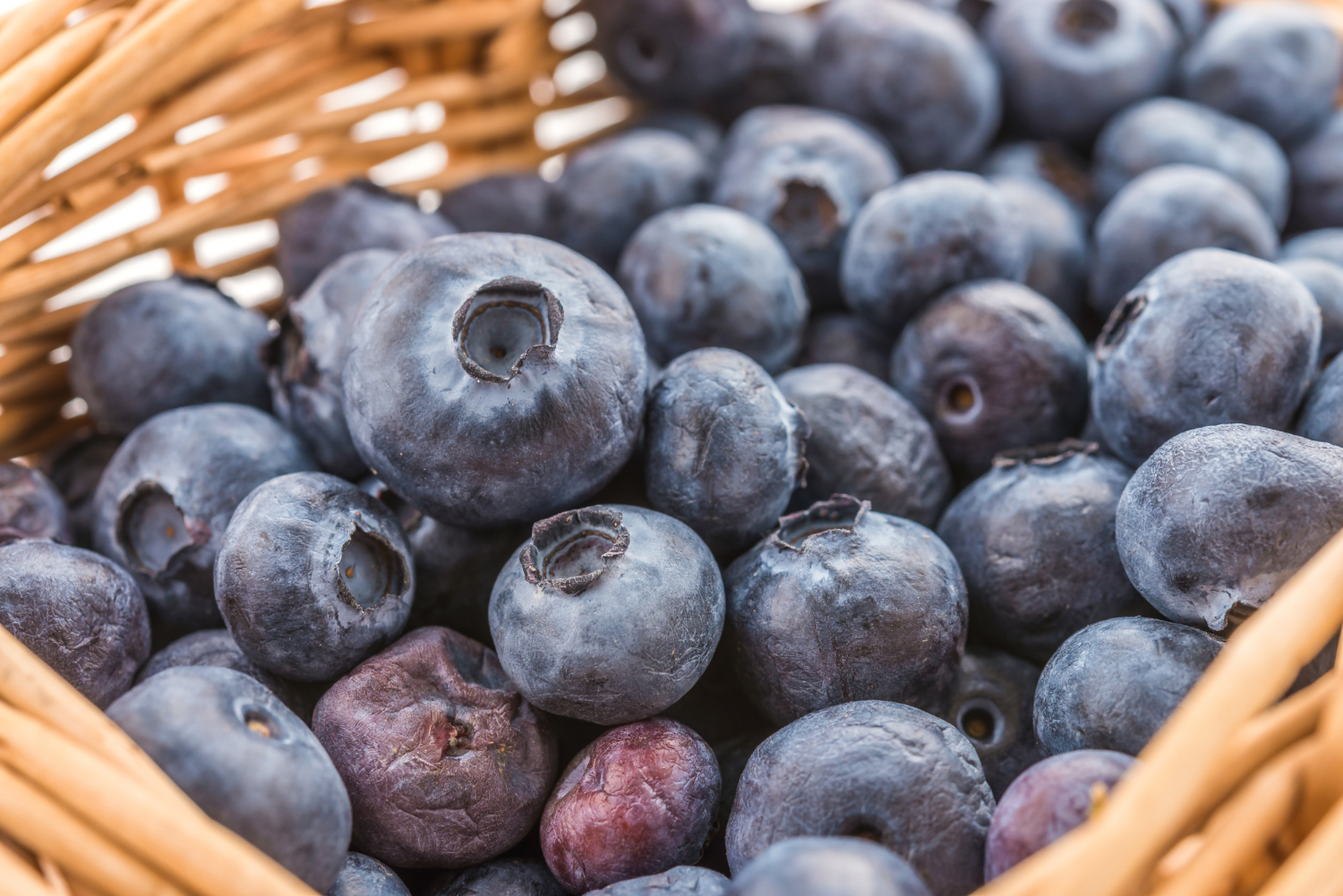
How to grow blueberries in Colombia step by step. Discover the ideal climate, soil type, irrigation, and care necessary for profitable and high-quality production.
Blueberry cultivation in Colombia is growing with unstoppable force, and this is no accident.
More and more producers and field entrepreneurs are turning their attention to this fruit because it combines factors that rarely align in agriculture: solid profitability, ever-increasing demand, and the real possibility of exporting to international markets that value, above all, consistent quality.
However, there is one fundamental point that must be made clear: this is not an “easy” crop.
It’s not that it’s impossible to manage, but it is extremely demanding and detail-oriented. The blueberry is a plant that does not forgive basic mistakes, especially when dealing with poorly prepared soil, poorly calculated irrigation, or a hastily chosen site.
In this business, improvisation comes at a high cost.
That’s why, before planting the first seedling, the most valuable thing goes beyond financial investment capacity; it lies in the time spent thoroughly understanding the plant’s physiology and what it truly expects from its environment to thrive.
In Colombia, the success of this sector has been possible because access to information and technical support has made a huge leap forward.
Morao has allowed the process to move from being an “experiment and error” exercise to becoming a professional and controlled activity where the producer knows exactly what step to take and why they are taking it.
If you are thinking about planting or simply want to optimize what you already have in progress, this guide will explain the path to achieving high-quality production.
Why is Everyone Talking About Blueberries?
Before getting technical, it’s worth understanding why there is this boom. First, because commercially it works really well. It’s not just any fruit; it’s a “superfood” packed with health benefits for the body, which guarantees that its consumption is a firm global trend, not just a passing fad.
Second, Colombia has an enviable geographic competitive advantage. Thanks to our location in the tropics, we have the ability to produce year-round, even during those windows of time when major exporting countries are out of season.
This translates into better prices and commercial stability that few crops offer. But here’s the real key: for it to be a sustainable business, it must be “well managed” from the root.
The Climate: What Blueberries Really Need
Here is where many make the first mistake by assuming that any cold climate zone is suitable. Blueberries are plants that, above all, seek stability. They dislike sudden temperature changes that stress their tissues and slow down their development.
The ideal temperature range is between 10°C and 25°C.
If the temperature rises too much, the plant enters a state of water stress; if it drops too much or there are frequent frosts, production stops completely. In addition to temperature, sunlight is vital.
The plant requires high luminosity to perform photosynthesis efficiently, but without extreme sunlight that could burn the new shoots.
Finally, ambient humidity should be moderate. Constant excess humidity is the perfect breeding ground for fungi that can ruin the harvest in just a few days.
Altitude Does Matter (and Quite a Lot)
In Colombian geography, the most successful and productive crops are generally located between 1,800 and 2,800 meters above sea level.
At these altitudes, temperatures are much more constant, which allows the fruit to develop a more intense flavor, higher sweetness (measured in Brix degrees), and superior firmness. Additionally, in these high areas, pest pressure is usually considerably lower than in lowland areas or more temperate climates.
The Soil: This Is Where Everything Is Won or Lost
If there is one factor that defines the success or absolute failure of this project, it’s the soil. Blueberries have a very delicate, fine, and shallow root system, making them extremely sensitive to the chemical and physical conditions of the land.
The first non-negotiable point is pH, which must be acidic, ideally between 4.5 and 5.5. If the soil is alkaline, the plant simply blocks itself and stops absorbing nutrients even with the best fertilizers.
Along with acidity, drainage is another key pillar. Water must not be allowed to stagnate under any circumstances. A root that is permanently wet is synonymous with root diseases and plant death. For this reason, most professional producers opt for raised beds or specific substrates that ensure proper oxygenation.
Before Planting: What Almost Nobody Does Correctly
Many entrepreneurs want to see quick results and decide to skip steps that are vital for the longevity of the crop. Before planting a single plant, it is mandatory to conduct a complete soil analysis.
It’s not an expense, it’s the roadmap for your investment.
With the results in hand, the next step is to adjust the pH using organic amendments or sulfur and prepare the land physically to ensure that the water flows properly.
This is where initiatives like Morao make a difference, as they promote a cultivation design based on real technical data, not just assumptions.
Irrigation: Not Too Much, Not Too Little
Due to their shallow roots, blueberries have a very narrow hydration window. They dry out quickly without enough water, but they drown just as easily.
That’s why drip irrigation is the only recommended professional option. This system allows the precise amount of water and nutrients to be delivered directly to the root zone, maintaining constant moisture without causing waterlogging.
In the world of blueberries, “watering by eye” is the quickest recipe to lose money.
How to Care for the Crop Day-to-Day
Profitability is built on the details of daily management:
- Technical Pruning: It’s not about cutting branches for the sake of cutting them; it’s a process to shape the plant, allow light to penetrate to the center, and constantly renew the branches that will produce the best fruit.
- Balanced Nutrition: It’s more about designing a precise nutritional plan that responds exactly to what the plant needs at each stage of its growth, rather than applying fertilizers in large quantities.
- Health Monitoring: It’s essential to closely monitor the appearance of mites, thrips, or fungal issues. In modern agriculture, prevention will always be much more economical and effective than trying to cure an already installed pest.
Blueberries in Colombia Have Enormous Potential That We Are Just Beginning to Exploit
The climate is on our side, and international markets are eager for our product.
However, the gap between a crop that generates losses and one that generates true wealth is marked by the discipline and knowledge of the producer. Those who plan rigorously, use technology to their advantage, and get advice from those who have already walked the path will have one of the most profitable opportunities in today’s agriculture.
Want to Learn More About Morao?
If, after reading this content, you’re interested in learning more about blueberry cultivation in Colombia, improving your production, or simply understanding how this industry is developing in the country, it’s worth approaching Morao directly.
Morao is a project focused on the development of blueberry cultivation in Colombia, combining technical knowledge, sustainable practices, and a true focus on product quality. Their work spans both the field and the dissemination of useful information for producers, investors, and those interested in this crop.
You can learn more about their work, their approach, and everything they are doing through their official website: 👉 https://morao.org/
From there, you can explore more about their crops, their vision, and the initiatives they are driving in Colombia. If you are thinking about stepping into blueberry cultivation or want to improve your practices, getting informed by trusted sources like Morao can make a big difference.
Frequently Asked Questions
- How long does it take to produce fruit?
While you can see some berries in the first year, stable and commercially viable production usually reaches the second or third year after planting. - Can blueberries be grown in pots?
Yes, growing in substrates within containers or pots is a growing trend in Colombia, as it allows total control over pH and drainage, optimizing space. - Is it a suitable crop for small producers?
Absolutely. As long as quality is prioritized over quantity and technical cooperation is sought to access better markets.